


Even the most seasoned divers sometimes arrive in Galapagos with the wrong expectations.
Maybe they’ve seen jaw-dropping photos online or heard stories about “the easiest dive of their life.” Then, once they’re in the water, reality reminds them: the Galapagos are not your average diving destination.
This is a place of power, unpredictability, and awe, where the ocean humbles you and rewards you in equal measure. Let’s clear up some of the most common misconceptions, with a little help from those who know these waters best.
It’s Not Exactly a Beginner’s Playground
Though it doesn’t always qualify as the next step, obtaining your certification is a momentous achievement. The dive locations of the archipelago are as ferocious as the islands themselves. Strong currents, inconsistent visibility, and abrupt thermoclines can transform a typical descent into a masterful lesson in buoyancy and consciousness.
That is not to indicate that newcomers are not greeted. It’s about knowing your place. Should you be newly certified, you may still swim here; just select itineraries that fit your experience level and be truthful about your comfort beneath the surface.
The ocean does demand respect even if it does not judge.
The Water Isn’t Always Tropical Blue and Warm
You are at the equator, therefore warm water is the right choice. Not at all.
Galapagos stands at a crossroads of strong ocean currents, some bringing warm tropical water, others cool upwellings from the deep. Temperatures can fall faster than anticipated; thermoclines often catch divers unprepared.
That means what for you? Carry levels both bodily and mentally. It all adds to the journey.
What to Pack and Expect
A 5mm–7mm wetsuit with a hood and gloves is a solid choice for most seasons. In colder months (June–December), even experienced divers appreciate an extra vest or a semi-dry. The key is comfort — you’ll see more and last longer in the water when you’re warm and relaxed.
Visibility Isn’t a Promise—It’s a Gift
On social media, those crystal-clear, azure cathedral images? Yes, they happen—though not always. Nutrients abound in Galapagos waters, hence occasionally clouds of plankton, silt, and changing light are present.
The same life that powers hammerheads and mantas may cause visibility to be erratic. Welcome it rather than battle it. The magic may be in your surroundings—the shadows passing across the fog, the silhouettes of sharks coming from the blue—rather than in what you see.
Not Every Dive Site Is for Every Diver
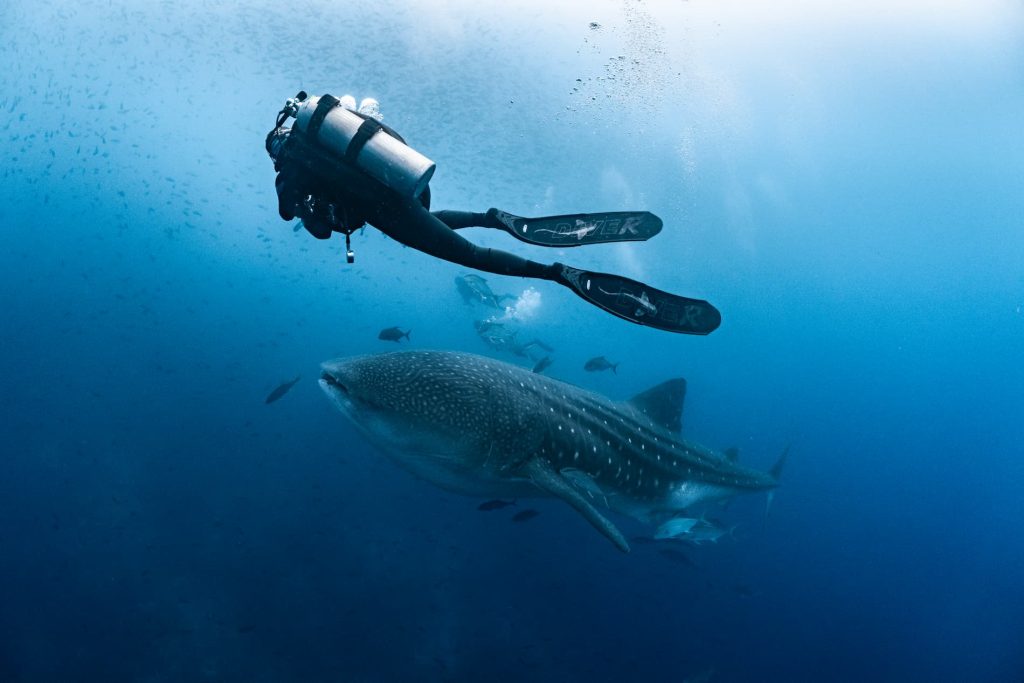
It’s only natural to wonder, “I want to dive there!” after seeing the pictures of hammerheads at Darwin Island, walls of barracuda, whale sharks passing by.
Not every diver, however, is prepared for every location. Certain of the most well-known places — Darwin and Wolf, for instance, need sophisticated schedules, strong drift-diving expertise, and the capacity to stay cool in strong currents.
There are many other amazing places around the main islands that provide calm seas, rich marine life, and memorable events. View them as your training base for the following adventure rather than as “lesser” dives.
Gear Familiarity Matters More Than You Think
Yes, you can rent quality equipment on board or in town — but knowing your own gear makes a big difference. Imagine reaching for a button that’s not where you expect it to be, or discovering mid-dive that your mask doesn’t seal the way you’re used to.
Pro tips from the crew:
- Bring your own mask, computer, and regulator if possible.
- Test new gear in a pool or easy dive site before Galapagos.
- Inspect rental gear carefully: valves, hoses, and connections can vary.

Flying Too Soon Can Ruin a Great Trip
Tomorrow morning, you are ready to fly home; your logbook is packed; and your dives are over. Halt right there.
Your body needs time to properly remove leftover nitrogen after several deep dives spread out across many days. Flying too early might cause decompression sickness, something you definitely don’t want to go through.
The golden rule is… Flying should be done at least 18–24 hours after your last dive. Make use of that opportunity to tour the islands, unwind on deck, or just let your body (and your spirit) rest.
Wildlife Is Wild—And That’s the Beauty of It
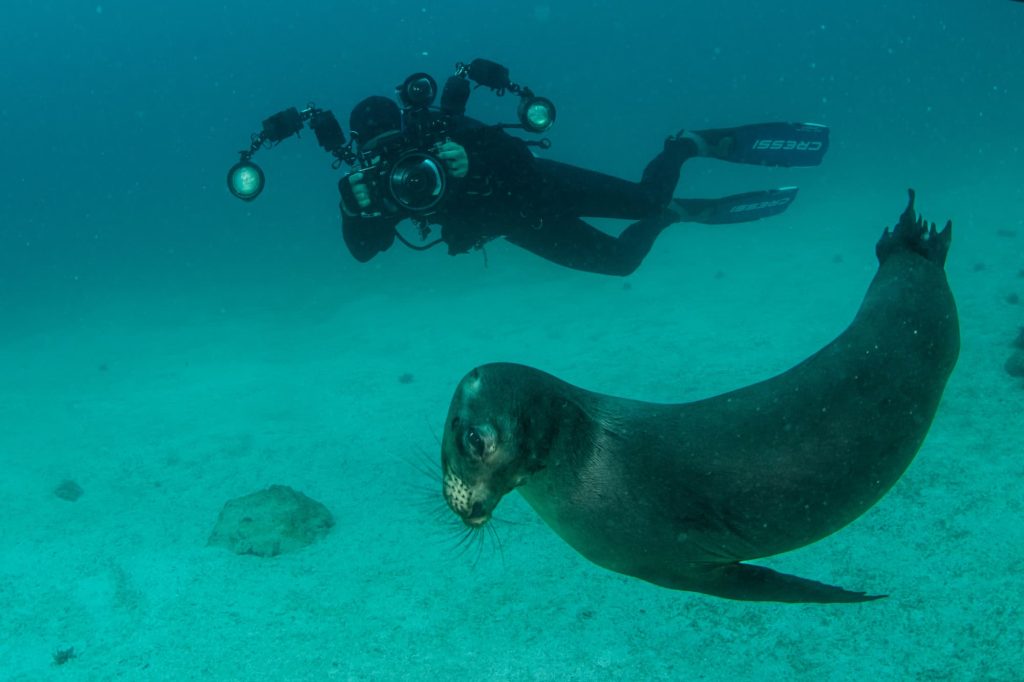
Galapagos is not a zoo. Here the sea is vivacious, erratic, and full of shocks. One day you could spot several hammerheads; the next day none at all. At one location you could run across mischievous sea lions; at another you would find only tranquility.
The experience is so pure because of its volatility. Every dive is hard-won.
The ocean chooses what to reveal to you and when it does it is indelible.
Snorkeling and Diving—Two Different Worlds
Some travelers think snorkeling is just “diving from the surface.” It’s not — and that’s okay. Both activities can offer once-in-a-lifetime encounters here, but they take place in very different conditions.
Where Each Shines
Snorkeling nearby islands like Bartolome or Española offers tranquil, shallow reefs teeming with turtles, penguins, and playful sealion pups. Diving, on the other hand, immerses you further into the action where vast pelagics roam.
Should you be joining a mixed group, speak with your crew; they will direct you toward the safest and most enjoyable option according to your comfort level.
Don’t Skip on Dive Insurance
Standard travel insurance normally does not pay for dive-related emergencies or hyperbaric treatment, and the Galapagos are isolated. A committed dive insurance plan lets you rest easy knowing that should anything happen, you have coverage for evacuation and therapy.
Though one hopes never to need, having it will make one grateful. Consider it to be your underwater safety net.
The Dive Doesn’t End When You Surface
The dive is not quite “over” until you return to deck.
Wash your equipment, drink plenty of water, guard yourself from the sun, and always keep in mind that being a good diver is more than just in the sea. Respect protected areas, abstain from touching marine life, and be aware of the delicate ecology you have just experienced by paying attention to your energy.
That’s how one departs the sea better than found it.
Quick Myths Worth Clearing Up
- “Sharks here are used to divers, so they’re harmless.”
They’re not pets. They’re wild animals: calm, curious, and deserving of your distance. - “I’ll buy brand-new gear and test it in Galapagos.”
Please don’t. New gear + strong currents = unnecessary stress.
“Taking a specialty course makes me an expert.”
It gives you tools, but true expertise comes with time and experience.


