


The Galapagos are not just another dive destination—they are a proving ground for skill, precision, and awareness. If you’re an experienced diver seeking to refine your technical edge, this is where knowledge of advanced nitrox and decompression procedures becomes more than theory—it becomes preparation, safety, and connection with the deep.
The Call of the Deep: Why the Galapagos Demand More from Divers
There’s a moment—just before you back-roll off the panga—when the vast blue of the Galapagos seems to hum. The currents are alive, unpredictable, pulsing with hammerheads, mantas, and life that feels almost otherworldly. But these waters are not forgiving. The Galapagos demand sharper discipline, precise control, and the ability to make safe, informed decisions under pressure.
Many divers arrive thinking that experience alone will carry them through. It doesn’t. The Galapagos reward preparation, and nowhere is that more evident than in dives where knowing advanced nitrox and decompression procedures can help you avoid getting into trouble, rather than planning to be in it.
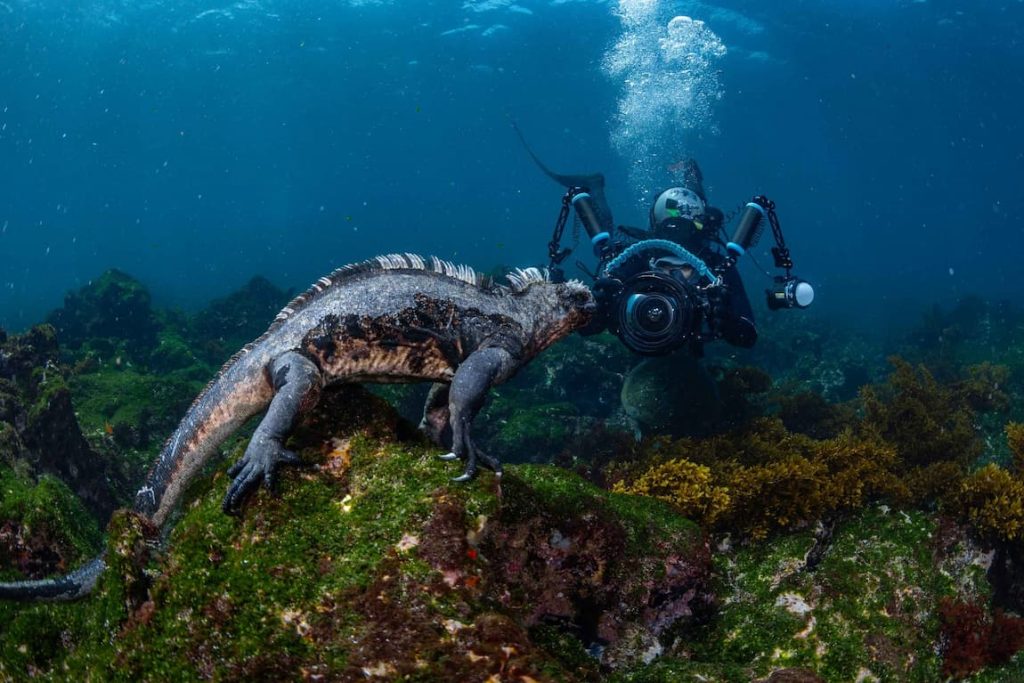
Understanding the Science Behind Advanced Nitrox
To dive longer and safer, understanding your breathing gas is crucial. Nitrox refers to any oxygen-enriched air with more than 21% oxygen. Onboard the Galapagos Sky, we use a 36% oxygen mix, designed to extend no-decompression dive times, not for deeper descents.
These blends reduce nitrogen absorption, meaning less inert gas in your tissues and, theoretically, less decompression stress. But oxygen becomes dangerous beyond certain pressures. Higher oxygen percentages reduce maximum depth, as oxygen toxicity risk increases. Proper planning ensures divers stay within safe depth and time limits while still enjoying longer dives.
Key takeaway: Nitrox is about safely extending your bottom time, not pushing limits of depth.
Decompression Procedures
While we do not conduct planned decompression dives, it’s vital that divers understand decompression procedures. Knowledge here is about how to respond if a dive exceeds no-decompression limits due to time, depth, or an unexpected situation.
Decompression training teaches divers to:
- Recognize limits and signals of decompression stress
- Plan gas switches if needed in emergency scenarios
- Ascend safely with pauses to reduce risk
Every diver must respect that the ocean does not forgive shortcuts. Advanced training is about prevention and awareness, not intentional deep decompression dives.
A Day on Board: Living the Dive Plan aboard Galapagos Sky
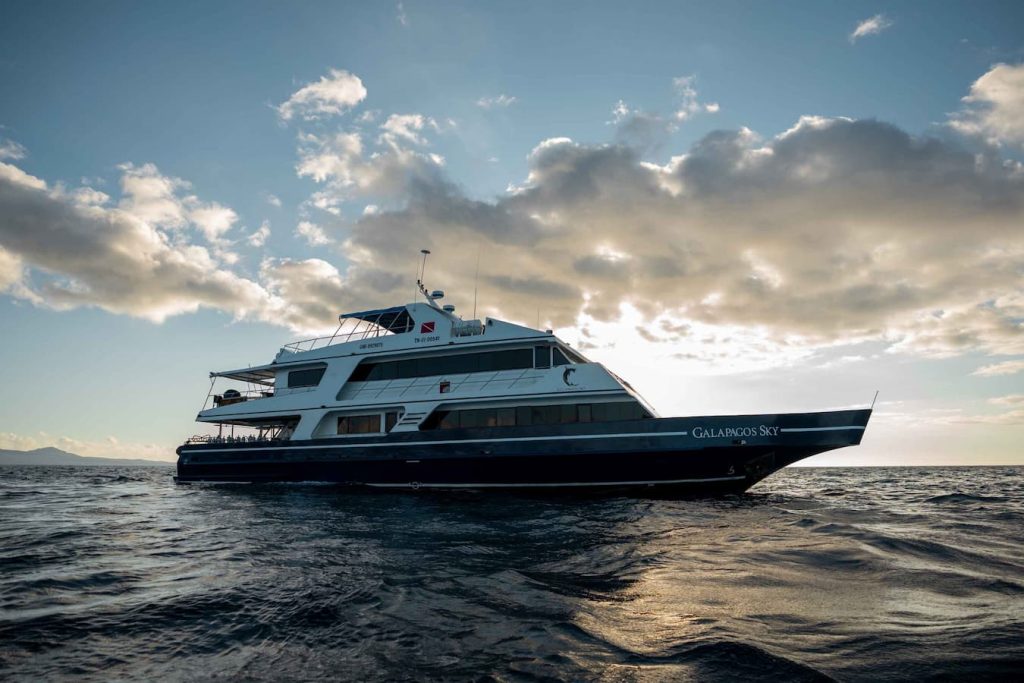
Morning light spills across the deck of Galapagos Sky. The dive deck hums softly—tanks labeled, computers synced, and gas mixes verified. Here’s what a typical technical day might look like:
- Briefing: Dive guides review the plan. Target dive site: one of the famed northern islands (Wolf Island or Darwin Island) — places where you’ll spend full dive days.
- Descent: You dive into conditions where depths typically range from ~18 m to ~30 m (65-100 ft) and the marine life is extraordinary. Expect schooling hammerheads, mantas, sharks, and more.
- Safety check / Dive end: All dives are strictly non-decompression. You’re using enriched mixes (Nitrox) if certified; many dives on these trips are made easier with it.
- Surface: You break through the swell after another precise dive completed in one of the world’s greatest pelagic arenas.
Every diver aboard Galapagos Sky shares a quiet respect for the environment. It’s not about adrenaline; it’s about alignment—with your plan, your team, and the sea.
Lessons from the Depths: What Only Experience Can Teach
Experience doesn’t eliminate risk—it teaches you how to manage it. You learn that complacency is your greatest enemy and that even short, well-planned dives can become risky without focus.
The Galapagos have a way of humbling even seasoned divers. Currents shift, visibility fades, and the ocean always sets the rules. These moments forge mastery: every dive is a conversation with nature, not a conquest.
Preparing for Your Own Advanced Nitrox Adventure in the Galapagos
Before you pack your drysuit and dream of hammerheads, preparation is everything:
- Get certified: Complete an Advanced Nitrox course and learn decompression awareness with a recognized agency.
- Know your equipment: Practice gas switches, valve drills, and buoyancy control until instinctive.
- Study local conditions: Currents, thermoclines, and visibility change rapidly.
- Plan conservatively: Dive within your comfort zone and gas limits—don’t exceed no-decompression limits.
- Listen to your guides: The Galapagos Sky crew are experts in these waters and your best resource.
Technical proficiency is freedom—but earned through discipline, planning, and humility.
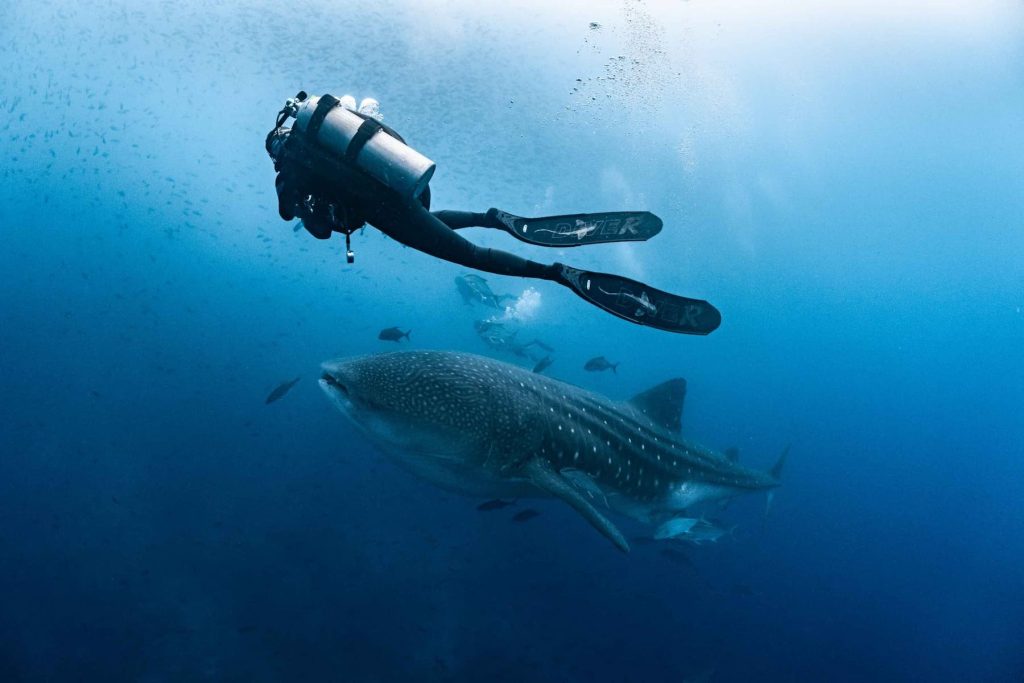
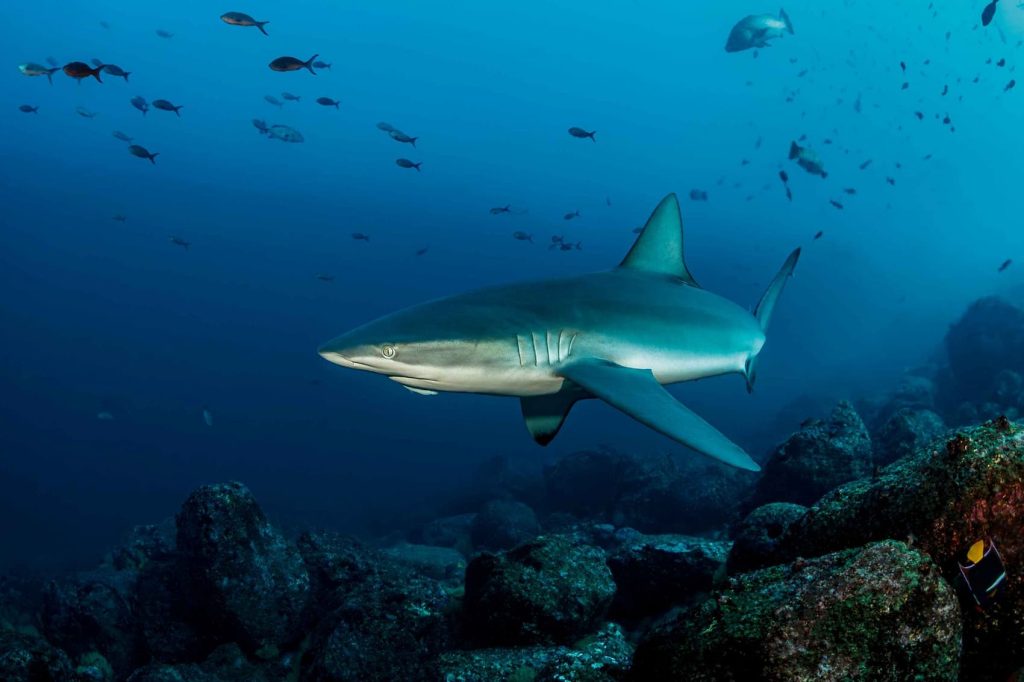
Beyond the Limits, Within the Blue
At 30 meters, surrounded by hammerheads, the world narrows to sound, breath, and light. Here, everything you’ve trained for—math, gas planning, and Nitrox awareness—transforms from theory into muscle memory.Diving in the Galapagos isn’t about going deeper—it’s about going wiser. Every descent is an act of respect—for physics, your body, and a marine world that operates on its own logic. Mastery here isn’t measured in depth—it’s measured in awareness and safe decision-making.


