


There’s a very particular silence just before a Galapagos dive.
Gear is ready, the briefing is over, and the ocean looks almost still — as if it’s holding something back.
Galapagos doesn’t introduce itself gently. It asks questions before offering answers. About awareness. About control. About how you respond when conditions shift without warning.
This preparation is not about anticipation or nerves. It’s about alignment. About arriving ready to meet the islands on their own terms, and allowing the experience to unfold exactly as it should.
Why Your First Galapagos Liveaboard Is a Turning Point as a Diver
Every diver has a trip that quietly reshapes their relationship with the ocean. Galapagos often becomes that trip.
Not because it’s the most difficult diving you’ll ever do — but because it strips away comfort diving. You’re no longer diving designed sites. You’re entering a living system driven by currents, nutrients, and migration patterns that don’t care about your logbook.
A Galapagos liveaboard places you in the rhythm of the islands. Multiple dives a day. Remote sites. Conditions that reward calm decision-making and punish complacency. After Galapagos, many divers realize they don’t want “easy” dives anymore — they want meaningful ones.
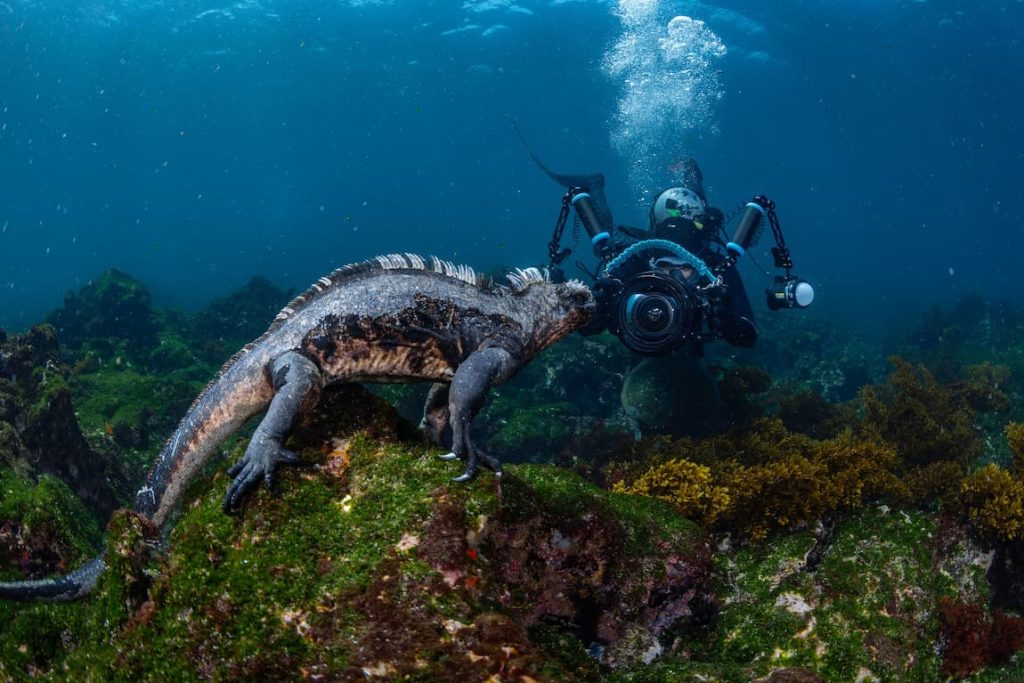
Understanding the Galapagos Diving Environment Before You Arrive
Galapagos diving is shaped by convergence. Cold and warm currents collide here, creating one of the most productive marine ecosystems on Earth.
That productivity comes with consequences underwater:
- Variable currents that can shift mid-dive
- Thermoclines that drop temperatures dramatically
- Surge and downcurrents around volcanic formations
- Limited visibility compared to tropical reef destinations
This is not chaotic diving — it’s dynamic diving. The more you understand that before arrival, the more mental bandwidth you’ll have to enjoy the encounters instead of managing stress.
How to Honestly Assess Your Dive Level Before Booking
This is where preparation becomes personal.
Galapagos doesn’t require perfection, but it does require honesty. The most important question isn’t “Am I certified?” — it’s “Am I comfortable?”
Comfort means:
- You remain calm when plans change underwater
- You can hold position in current without overexertion
- You manage buoyancy precisely in thick exposure protection
- You communicate clearly and decisively with your dive team
If your instinct is to quietly evaluate rather than prove yourself, you’re already thinking like a Galapagos diver.
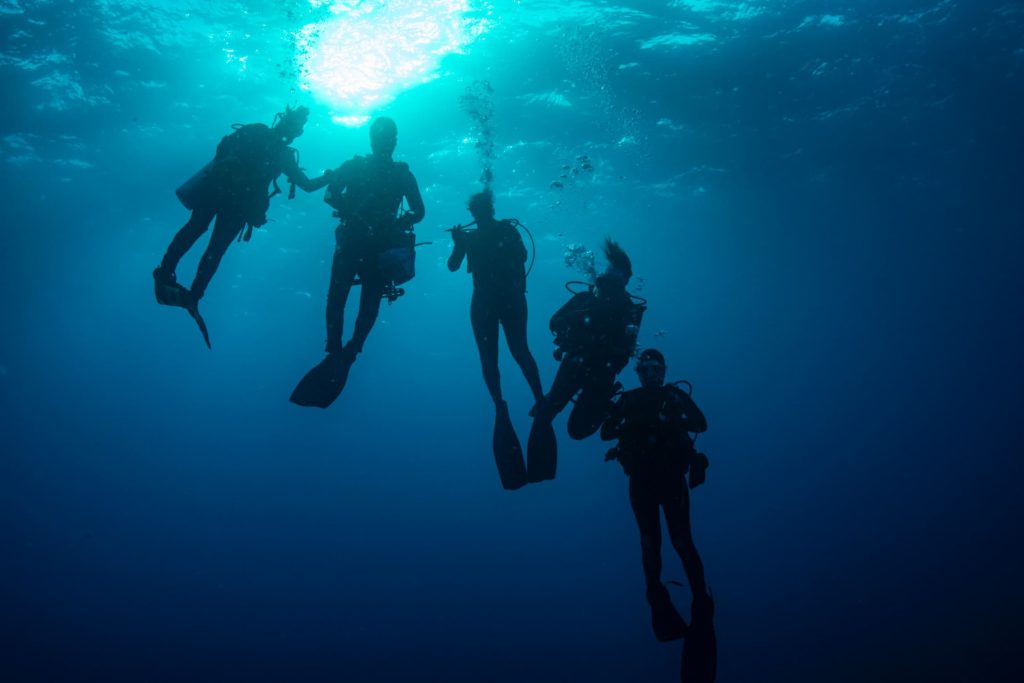
Preparing Your Skills Before Traveling to Galapagos
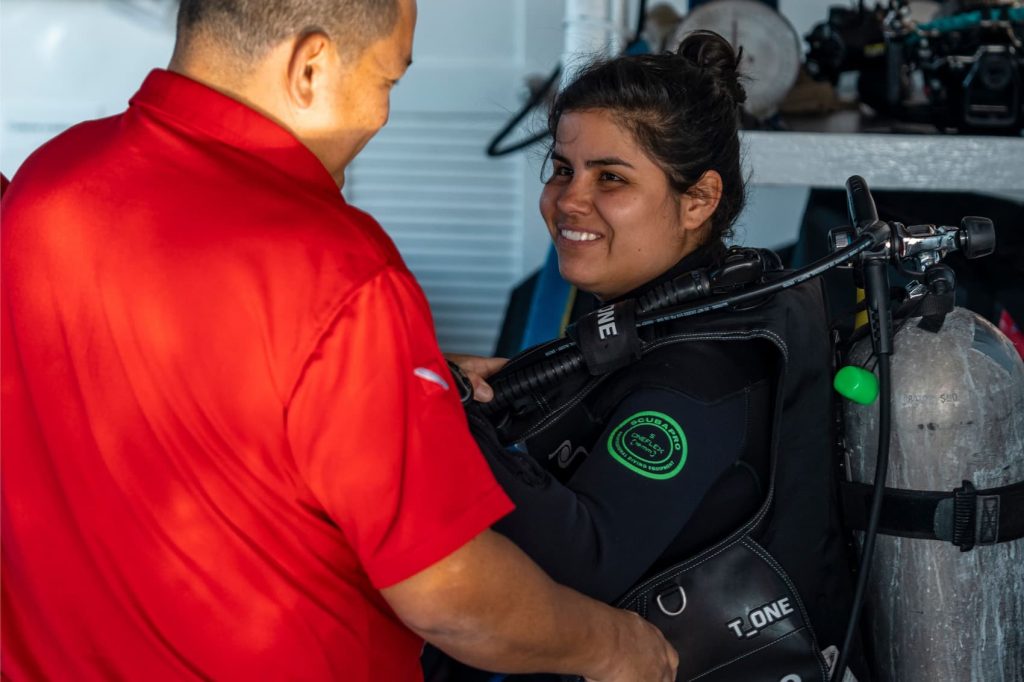
Preparation isn’t about adding skills — it’s about polishing fundamentals until they’re automatic.
In the months before your liveaboard, prioritize dives that challenge your awareness rather than your ego.
Focus your preparation on:
- Drift diving in medium to strong currents
- Negative entries and controlled descents
- SMB deployment in blue water
- Gas planning for high-energy profiles
- Diving repeatedly in colder water
Two or three intentionally planned dive weekends can make the difference between coping with Galapagos and fully experiencing it.
Diving Galapagos Year-Round: What Changes and What Never Does
Galapagos doesn’t have “good” and “bad” seasons — it has different personalities.
Water temperature, visibility, and current strength shift throughout the year. Some months feel raw and nutrient-heavy. Others feel calmer and more forgiving. But life never disappears.
What remains constant:
- Dense marine biomass
- Resident megafauna
- Daily unpredictability
- The sense that every dive might be the one
You don’t plan Galapagos around a checklist. You plan it around acceptance.
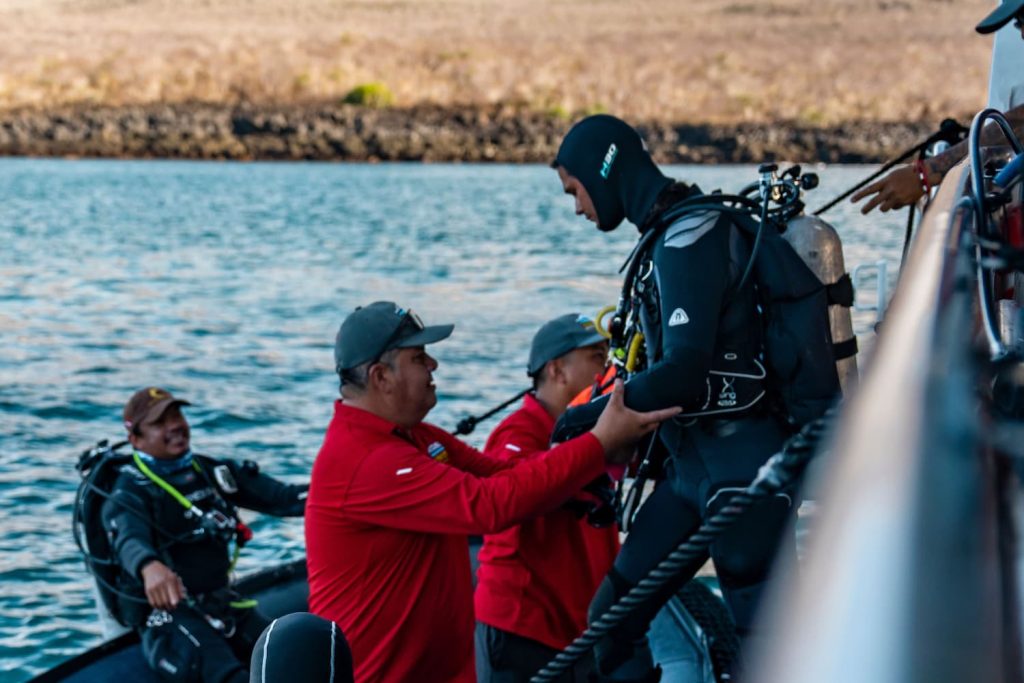
Insights from Miguel Triviño, Galapagos Dive Liveaboard Specialist
Some insights only come from years spent observing divers in real conditions — not in ideal scenarios, but in currents, cold water, and moments that require clear judgment. Miguel Triviño has accompanied countless first-time Galapagos liveaboard guests, and his perspective reflects what consistently makes the difference.
What would you recommend to a diver planning their first trip to Galapagos?
“As a first step, I would recommend that they self-evaluate and truly consider their technical diving level. Before traveling, they should do some dives in currents and cold water, and of course, choose a dive operation that gives them confidence and safety, with a reputation and experience aligned with their expectations”.
Why do you think Galapagos is a diving destination that can be enjoyed year-round?
“Galapagos is full of life all year long. The only animal we may not see during the warm season is the whale shark, but all other creatures are present. Temperature may slightly reduce abundance, but nothing more”.
Your First Galapagos Dive: What You’ll Remember Long After You Surface
You won’t remember every briefing detail. You won’t remember exact bottom times.
You’ll remember gripping volcanic rock while hammerheads pass overhead in slow formation. You’ll remember the moment your breathing steadies and you realize you’re not watching the ecosystem — you’re part of it.
Your first Galapagos liveaboard doesn’t feel like a milestone while it’s happening. It feels demanding. Immersive. Honest.
And long after the trip ends, you’ll notice something subtle has changed.
You don’t just dive anymore. You choose where — and why.


