


As we cruise beneath the infinite sky of the archipelago, it does seem unreal to consider that the Galapagos Islands were inscribed in the World Heritage List of UNESCO 47 years ago.
We’re fortunate to welcome guests aboard Galapagos Sky week after week, exploring these legendary waters together. As important as this anniversary is as a point in history, it also serves to remind us of why we exist: to share, protect, and celebrate these islands of wonder.
Background: UNESCO Designation and Extensions
The UNESCO recognition didn’t happen overnight. It has been a journey of growing awareness, careful conservation, and international collaboration. Each milestone tells a story of how the Galapagos became a global symbol of natural heritage.
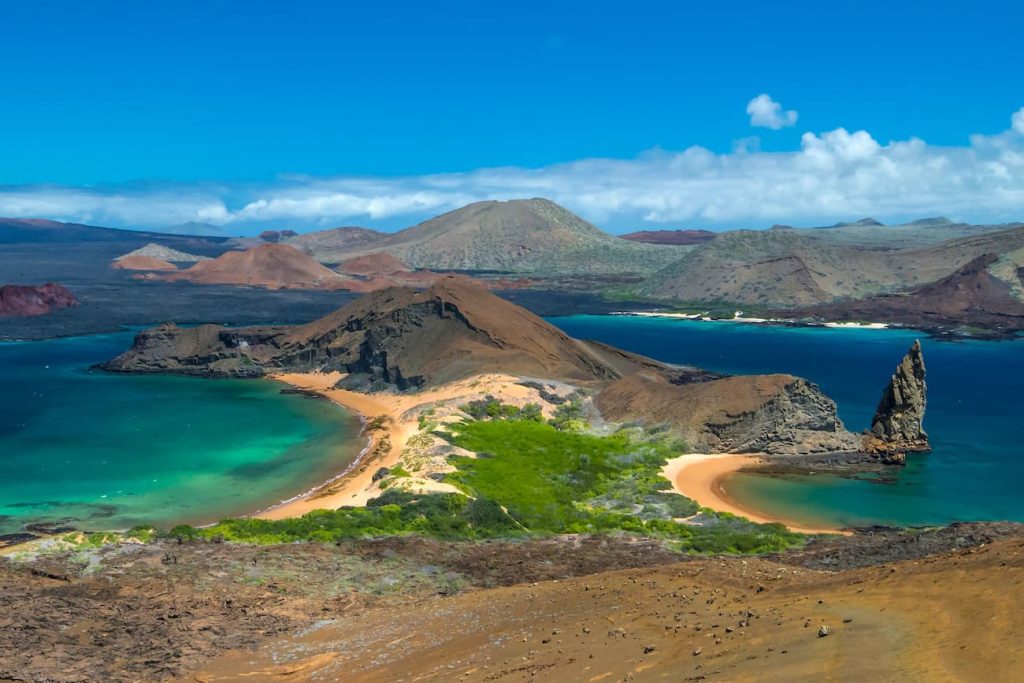

1978 – Original Inscription
The Galapagos Islands were included on the World Heritage List of UNESCO in 1978 because of their unique biodiversity and their significant role in the field of science, especially in the work on Charles Darwin´s theory on evolution. It was one of the very first natural wonders ever recognized at that time.
At Galapagos Sky, that first dedication echoed what we live every day: the privilege of exploring waters and islands unlike anywhere else on Earth.
1984 – Biosphere Reserve Status
A mere six years later, the islands were also declared a Biosphere Reserve to re-emphasize the island´s equilibrium between ecological values and sustainable human use.
It was a statement that man and nature could coexist — but only if we were prepared to honor the delicate balance of the ecosystem. As a liveaboard operator, this is an ethos that shapes how we plan every dive, every trip.
2001 – Expansion to the Galapagos Marine Reserve
In 2001 that recognition was broadened to embrace the sprawling Galapagos Marine Reserve, among the largest in the world.
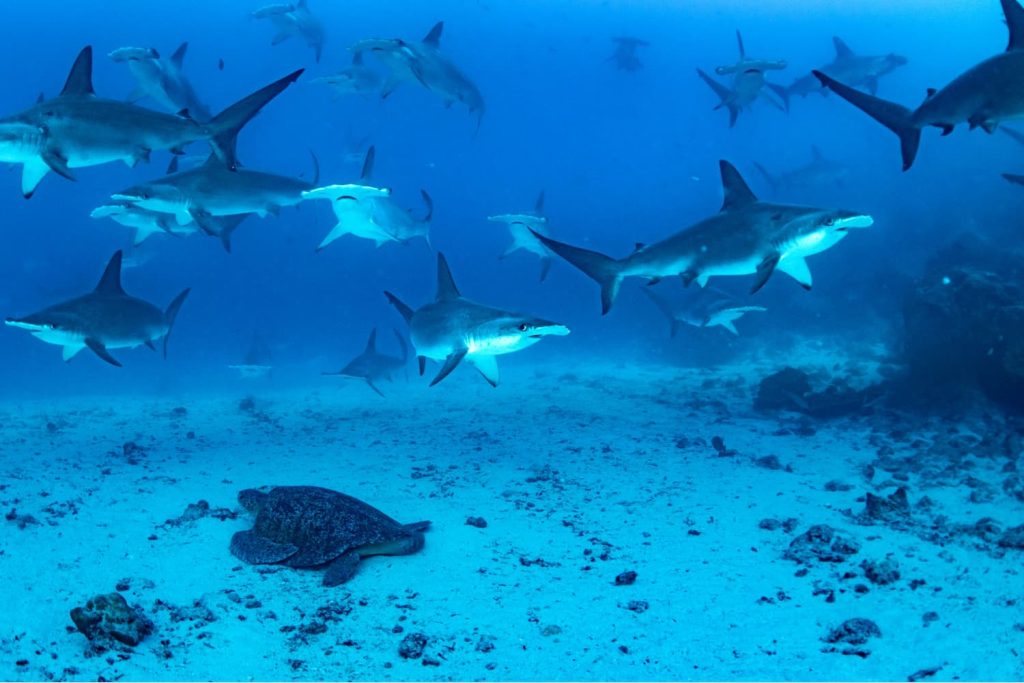
We witness this on Galapagos Sky every day. We dive with hammerhead sharks, sea lions and manta rays, all abundant in these protected waters. Every underwater encounter serves as a reminder of how much marine conservation matters to the islands’ very existence.
Why the Galapagos Merit UNESCO Recognition
The Galapagos aren’t simply islands; they are a natural experiment in evolution and a haven for marine wildlife. There are few places on Earth that can make such a claim:
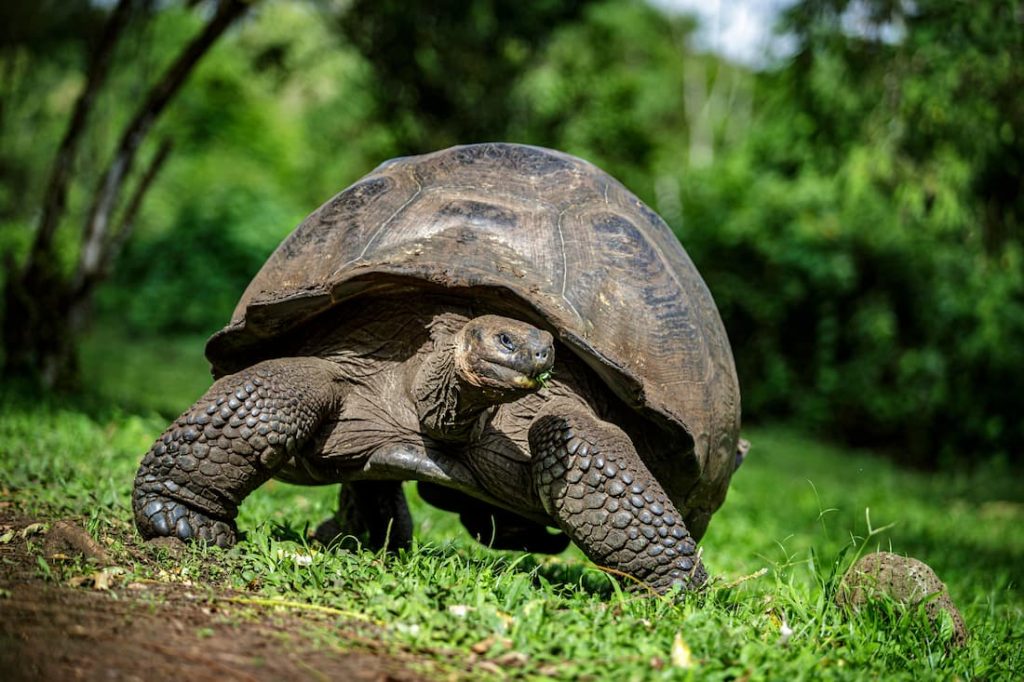
- An incredible variety of endemic species, including marine iguanas and giant tortoises.
- Untouched marine habitats that are relatively healthy compared with the rest of the planet.
- A unique role in the making of modern science and conservation.
Each time we take divers underwater, we witness first-hand why this archipelago is World Heritage-listed. The relationship between fragility and resilience here is like no place else. For us, each dive is a privilege and a promise—to help ensure these ecosystems thrive for generations to come.

Conservation Challenges and Recovery
The story of the Galapagos isn’t only about recognition—it’s also about struggle and recovery. And as part of this story, we feel a deep responsibility to honor the challenges alongside the triumphs.
2007–2010: Inclusion on the List of World Heritage in Danger
The Galapagos Islands were on the World Heritage in Danger list from 2007 to 2010 as a result of threats posed by invasive species, overfishing and unmanaged tourism. As one of our hardest chapters, it was a reminder of how fragile these ecosystems can be.
For the rest of us on Galapagos Sky, there were the years of reflection. We wanted to know: How could we make sure our presence there did less harm to the islands we love, not more? This era made us reinvent the way we conceived sustainability in tourism.
Key Management Actions and Outcomes
The response was swift and determined:
- Strengthening biosecurity to prevent invasive species.
- Implementing stricter tourism regulations.
- Expanding conservation programs with international support.
Collectively, these actions paid off. By 2010, UNESCO acknowledged significant progress, and the islands were removed from the danger list. For us, it reinforced the belief that responsible tourism and active conservation can walk hand in hand.
Stewardship and Key Stakeholders
Conservation in the Galapagos is a shared journey. The future of these islands depends on collaboration between organizations, communities, and visitors. It is a complex web of efforts, but together they create a model of stewardship that the rest of the world can learn from.
Galapagos National Park Directorate
The Park Directorate oversees the management of protected areas, from the land to the marine reserve. Their regulations guide everything we do on Galapagos Sky, ensuring that our voyages respect both wildlife and ecosystems.
Charles Darwin Foundation
Established in 1959, the Charles Darwin Foundation has led research and conservation efforts. Their work — researching species, restoring habitats, and educating local experts — is what we visitors and operators get to see today.
What an incredible perspective to know that every giant tortoise we encounter and every vibrant reef we dive among is safeguarded thanks to the science and dedication of these researchers.
International Partners and Local Communities
We cannot forget the local communities who live here and the global network of organizations that support conservation. Together, they form a stewardship model that reminds us all: protecting the Galapagos is not the work of one, but of many.
Sustainable Tourism and Visitor Responsibility
On Galapagos Sky, travel is more than just about seeing, it’s about being in the story. We think each guest can have a hand in protecting the archipelago.
It involves abiding by park rules, respecting the distance between you and wildlife and promoting conservation-centered tourism. But it is also about taking the experience home, about sharing what you’ve learned and inspiring others to look at the Galapagos not just as a destination, but as a legacy.
For us, sustainability is personal. Each dive briefing, every guided excursion, is an opportunity to interact with the beauty of the islands and the responsibility to protect them. After 47 years as a UNESCO World Heritage site, our fondest hope is that every traveler leaves the Galapagos not just with memories, but with a touch of stewardship of this incredible natural wonder.


