


Shaped by isolation and great biodiversity, the Galapagos is among the most vulnerable marine habitats on Earth. Wildlife behavior may be influenced by even a little disruption like a misplaced fin or drifting too close in ways we do not immediately notice.
This post is for the advanced diver who knows the thrill of the Galapagos but wants to experience it with intention, care, and respect. The ocean gives so much. This is about giving something back.
Why Responsible Diving Matters in the Galapagos
In Galapagos, endemic species developed free of human influence, so diver activity is particularly sensitive. That means our decisions below affect how animals feed, clean, and interact inside of their environment.
We enable natural behaviors to go without interruption when we dive responsibly and assist in the preservation of fragile ecosystems. Conservation is something real in the Galapagos, not a theoretical concept; it occurs with every kick and every breath.
Finding Your Flow: Buoyancy Skills That Protect the Ocean
There’s a beautiful moment in diving when buoyancy becomes effortless—almost like the water is carrying you instead of resisting you. In the Galapagos, that skill isn’t just aesthetic; it’s essential.
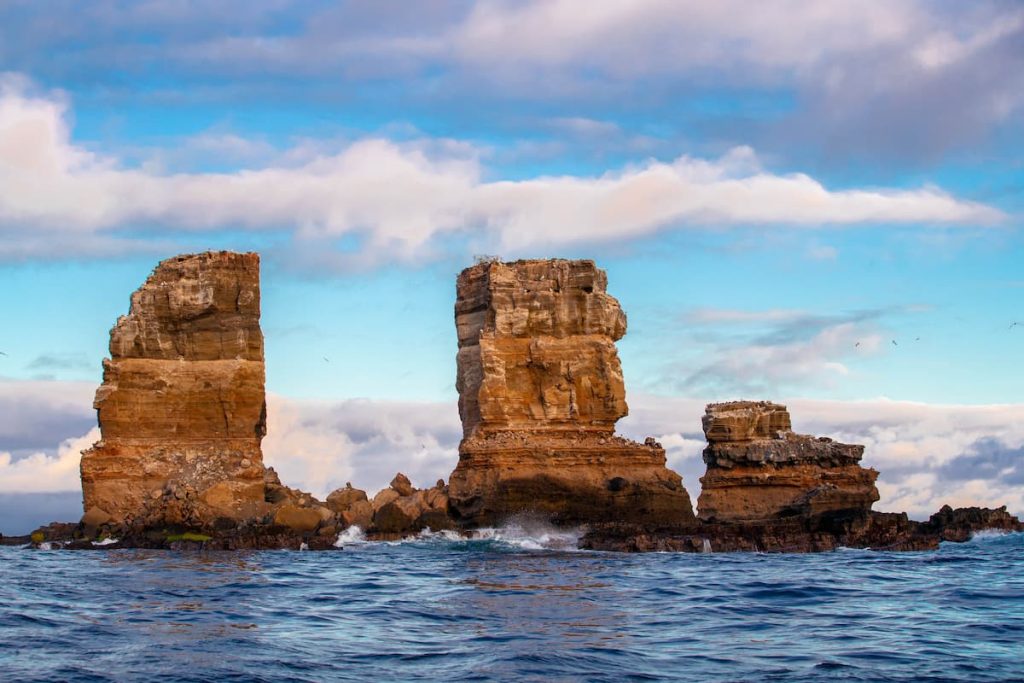
At Darwin and Wolf, currents shift quickly. Surge pulls you up, then down. Without strong buoyancy control, it’s easy to touch the reef unintentionally or cloud a habitat with sediment.
To protect the ocean, keep these principles close:
- Essential skills: Slow, controlled breathing and micro-adjustments with your BCD.
- Prevent reef contact: Maintain a comfortable buffer above the bottom, even when surge nudges you.
- Avoid sediment disturbance: Use gentle frog kicks or modified flutter kicks.
- Hover safely: Stay above sensitive habitats like black coral forests and cleaning stations.
Perfecting buoyancy turns you into a quiet observer—present, but never intrusive.
Respectful Wildlife Interaction
One has to be awestruck here. A whale shark cruises by like a travelling world. Sea lions spin nearby, inquisitive and vivacious. Eagle rays swirl like watercolor brushstrokes over the azure.
Awe, however, can also lure us too near.
Wildlife meetings in the Galapagos should abide by the most basic, most courteous guideline: let the creatures decide the interaction.
A few reminders:
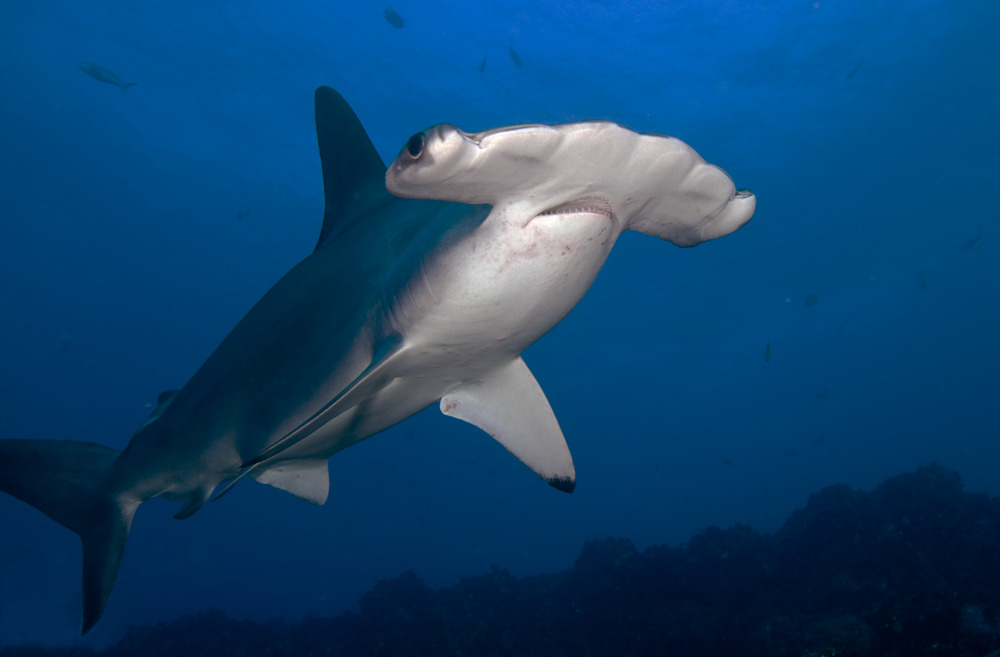
- Maintain safe distances from hammerheads, whale sharks, rays, and sea lions.
- No touching, no chasing, no flash photography, ever.
- Watch for signs of stress: rapid movements, sudden turns, or animals avoiding the area.
When you hold still and keep space, something magical happens, wildlife often comes closer on its own terms. Those are the encounters you never forget.
Streamlining Gear for Safety
The second you enter it, your equipment turns into a component of the underwater world, and even a loose hose or hanging gauge can cause inadvertent harm. Spending a few seconds before each descent to fasten all guarantees you move cleanly through the column.
Reef-safe sunscreen helps to guard fragile species from hazardous chemicals that can wash off during dives. Maintaining a level, horizontal trim enables you to stay in command in powerful currents and lowers your possibility of brushing against the reef.
You become a calmer, lighter presence underwater when your equipment is simplified and your body is steady. One of the most basic and significant means to safeguard the Galapagos is this silent effectiveness.
Following Dive Briefings & Park Regulations
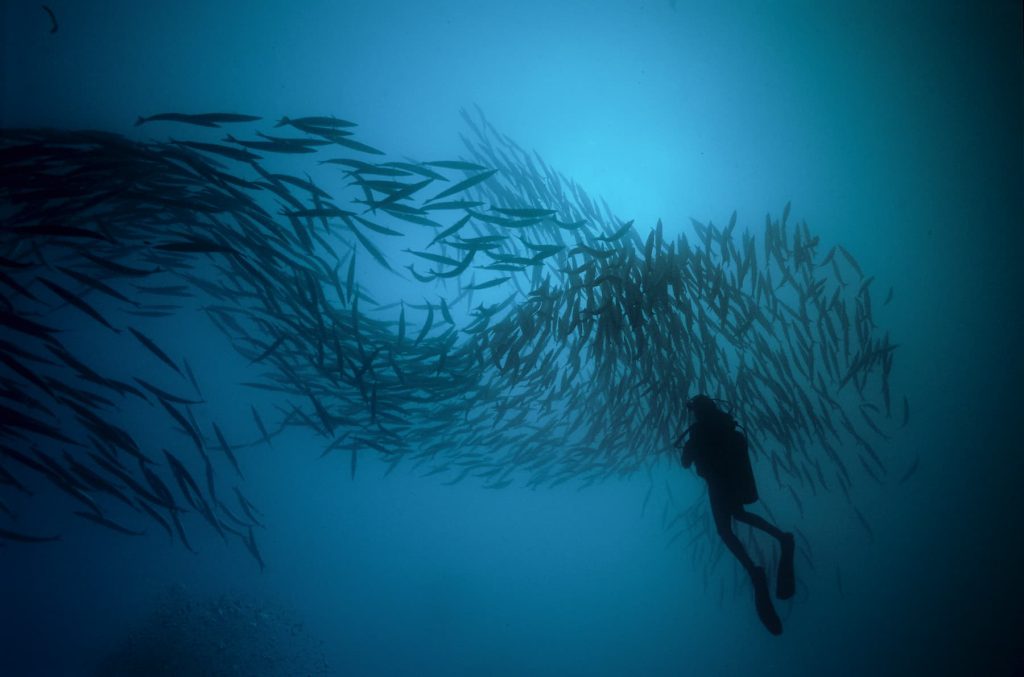
If you’ve dived the Galapagos before, you know the dive briefings here feel different. They’re not just explanations—they’re cautions, protections, quiet agreements between diver and ocean.
Strict adherence to guide instructions is essential because:
- Currents are powerful and unpredictable, even for experienced divers.
- Wildlife behavior changes daily, and guides read these patterns.
- Rules protect both divers and marine life, preventing accidental harm or disturbance.
The Galapagos National Park monitors diver activity closely. These rules exist not to limit you, but to preserve the very magic you came to see.
Sustainable Travel Practices for Divers
Caring for the Galapagos doesn’t start when you giant-stride off the boat. And it definitely doesn’t end when you surface from your last dive. Conservation begins before your trip and continues long after you return home.
Before the Trip
- No need to pack a reusable water bottle—we will provide each guest with a complimentary refillable bottle onboard.
- Bring reef-safe hygiene products, such as sunscreen and shampoo. Biodegradable shampoo and body wash are provided onboard.
- Pack durable, eco-friendly gear whenever possible, especially items that minimize waste and can be reused throughout your travels.
During the Trip
- Be mindful of water use. While the yacht produces fresh water through onboard desalination, supply is still limited and responsible use helps optimize operations.
- Use energy wisely by turning off lights when not needed.
- Follow all recycling and waste-management guidelines onboard, which are essential in a protected marine reserve.
- Use the reusable water bottle provided onboard and refill it at our hydration stations to help reduce plastic waste.
After the Trip
Your impact continues long after you leave the islands:
- Support local conservation efforts in the Galapagos. We encourage guests to explore the impactful programs of the Charles Darwin Foundation, including their Adopt a Shark initiative, which directly contributes to marine research and protection.
- Since 2017, Ecoventura and the Charles Darwin Foundation have collaborated through the Galápagos Biodiversity & Education for Sustainability Fund, which has raised over $630,000 to support scientific research and educational programs throughout the archipelago.
- Share your experience to inspire others to dive responsibly and choose sustainable operators.
- Continue practicing sustainable habits at home, turning your expedition into long-term advocacy for the oceans.
Becoming an Ocean Ambassador
There is something about the Galapagos that hangs long after your wetsuit dries. Perhaps it’s the recollection of a hammerhead moving silently over you, like a dream. Or the way a sea turtle floated past you as if you had always belonged there.
These events transform you.
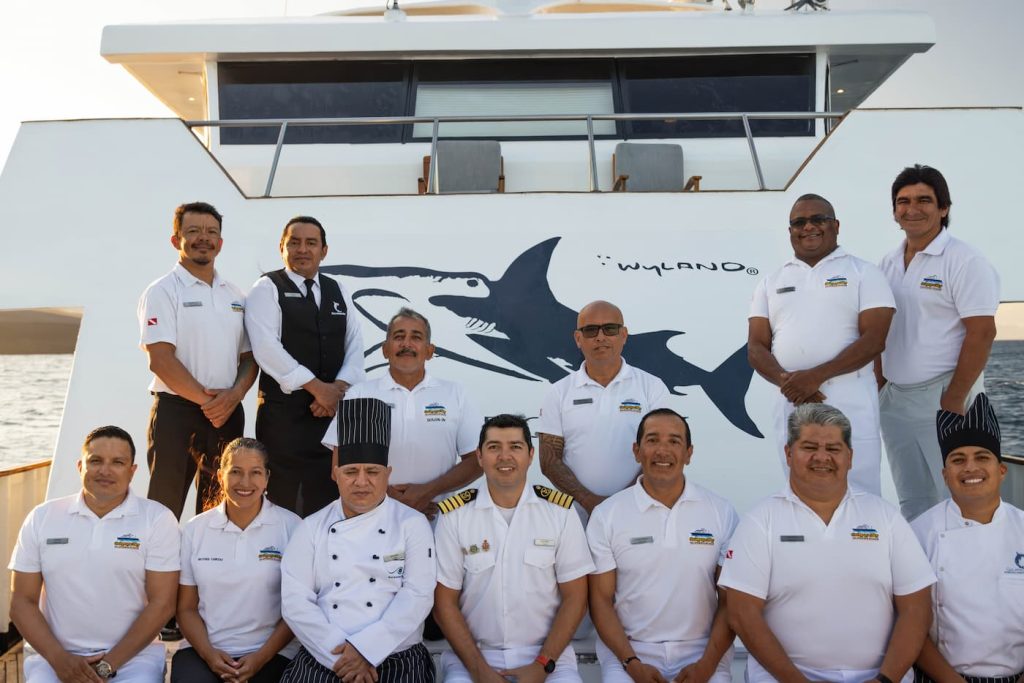
Becoming an ocean ambassador is more about intent than perfection. Leading by example, diving responsibly, and cultivating a conservation attitude you bring to every ocean you visit are all choices.
Because the Galapagos provides amazing dives as well as other pleasures.
It calls you… silently, strongly – to defend what you cherish.
And that’s the most significant plunge you will ever do.


