

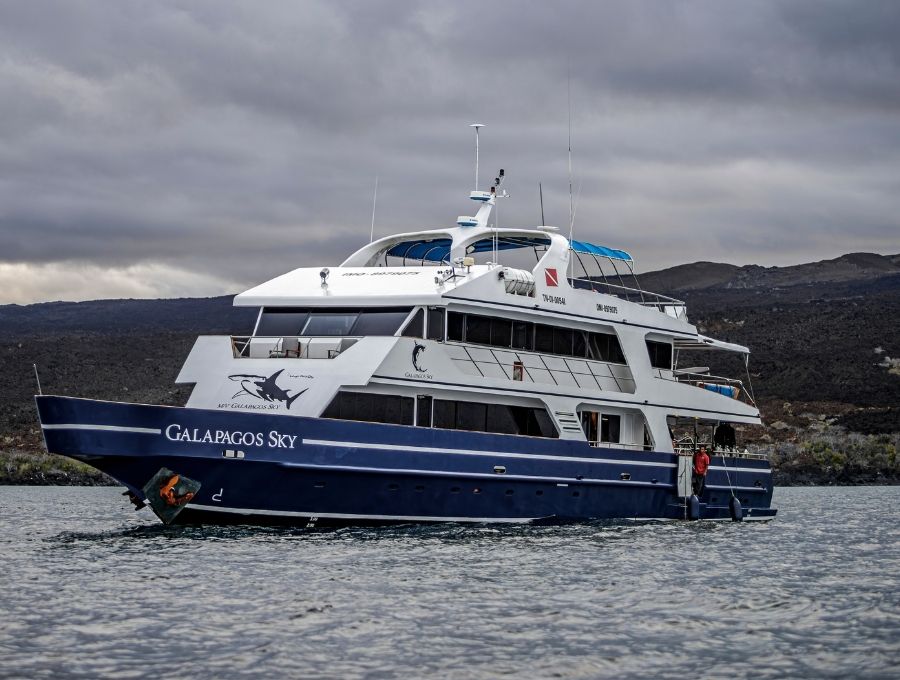







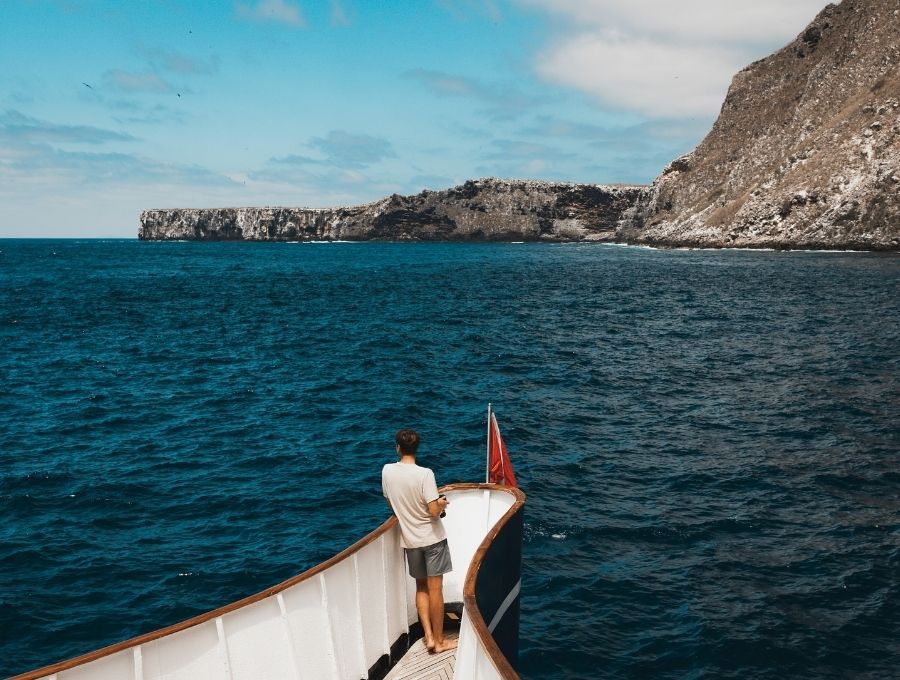
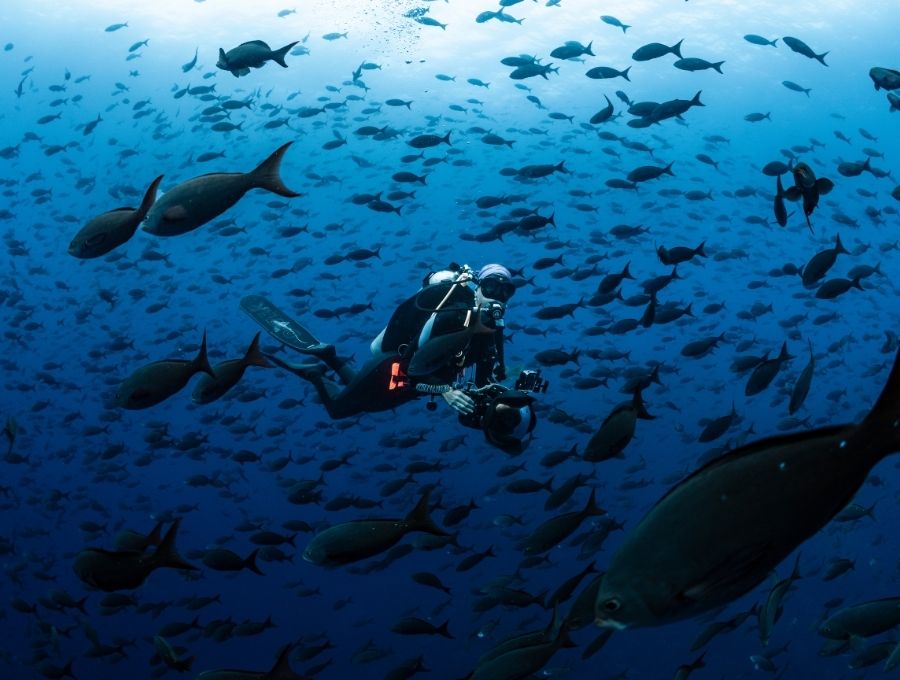
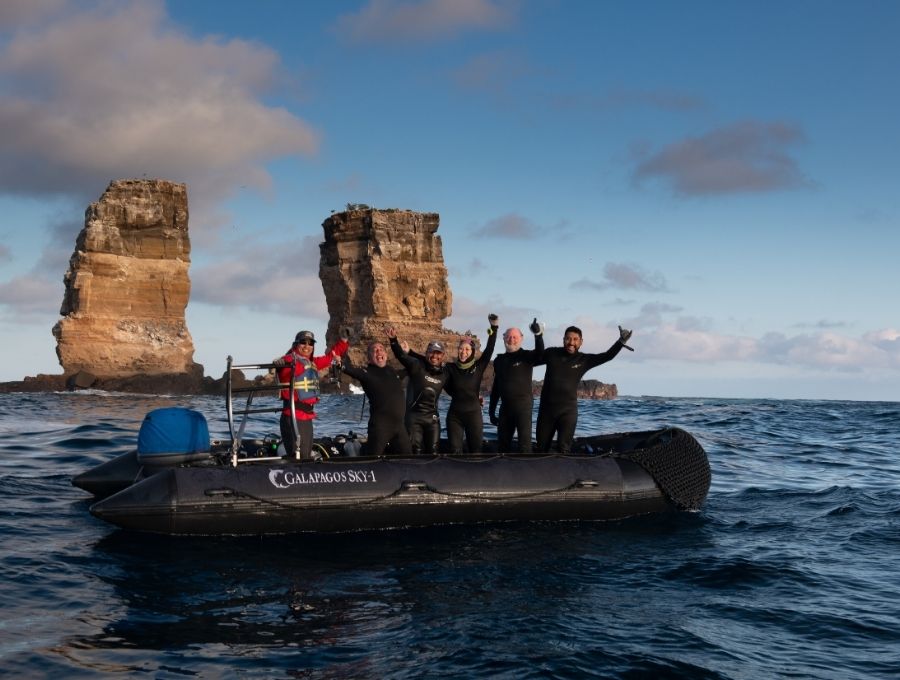


Departing every Sunday from San Cristobal or Thursday from Baltra (depending on the assigned itinerary), this 10-night journey offers the perfect balance of thrilling underwater adventures and the luxurious comfort of Galapagos Sky. Immerse yourself in one of the world’s most iconic scuba destinations, with 29 exhilarating dives, including 5 full days at the legendary Darwin and Wolf Islands – a must-dive location for every diver!
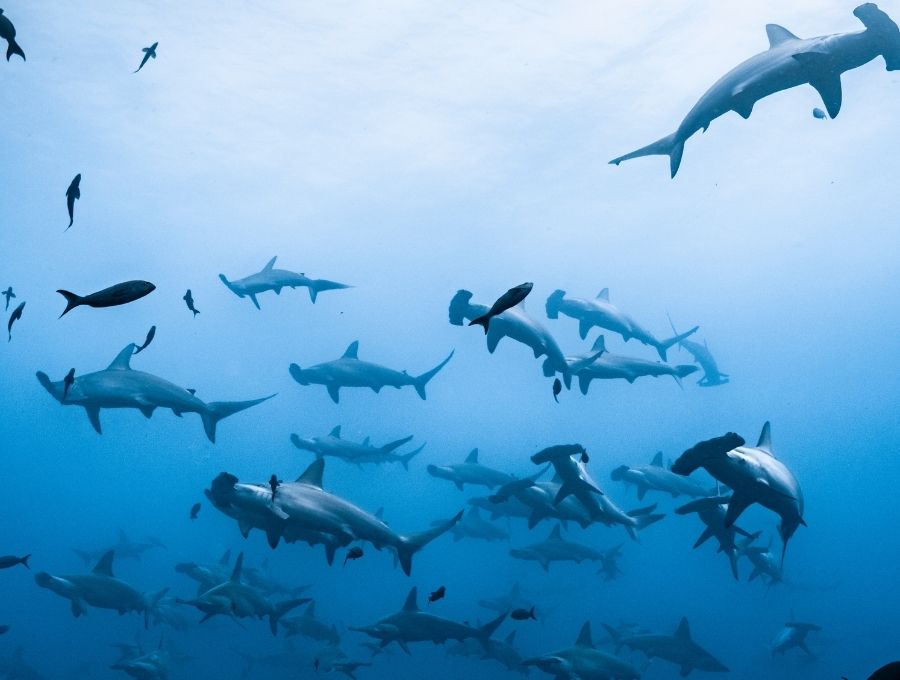
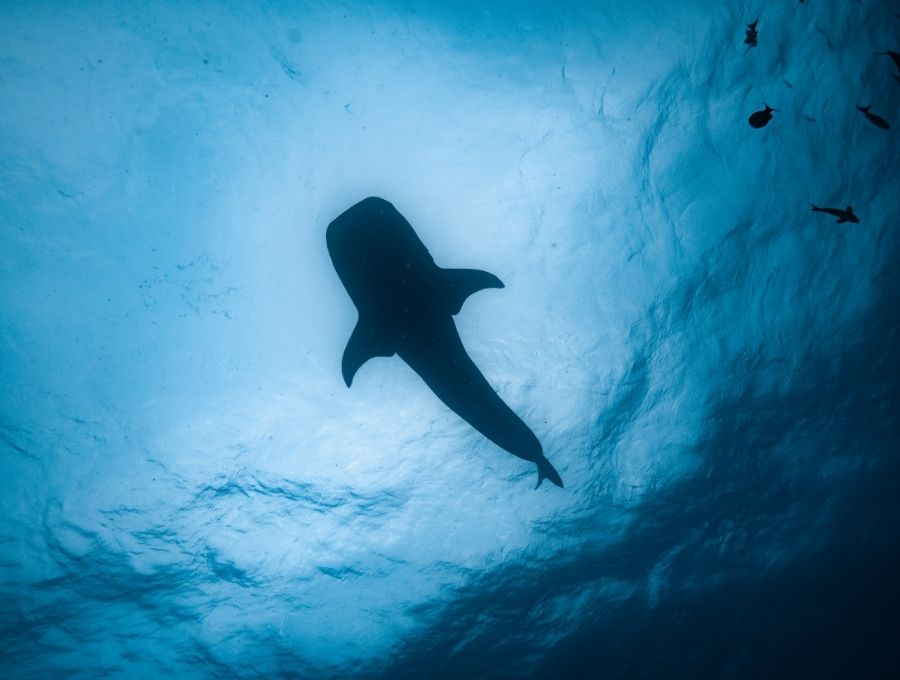
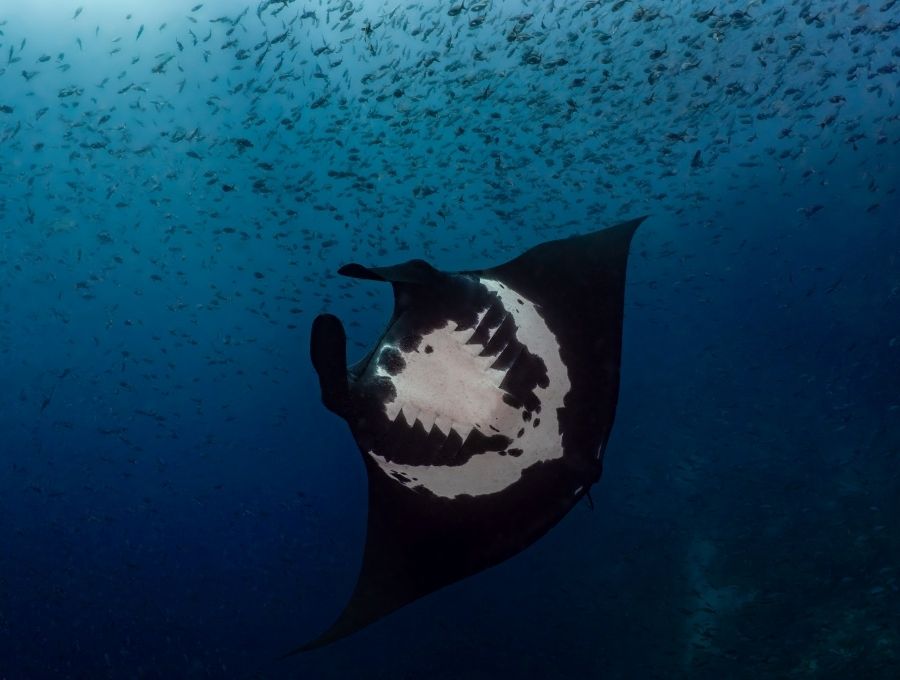
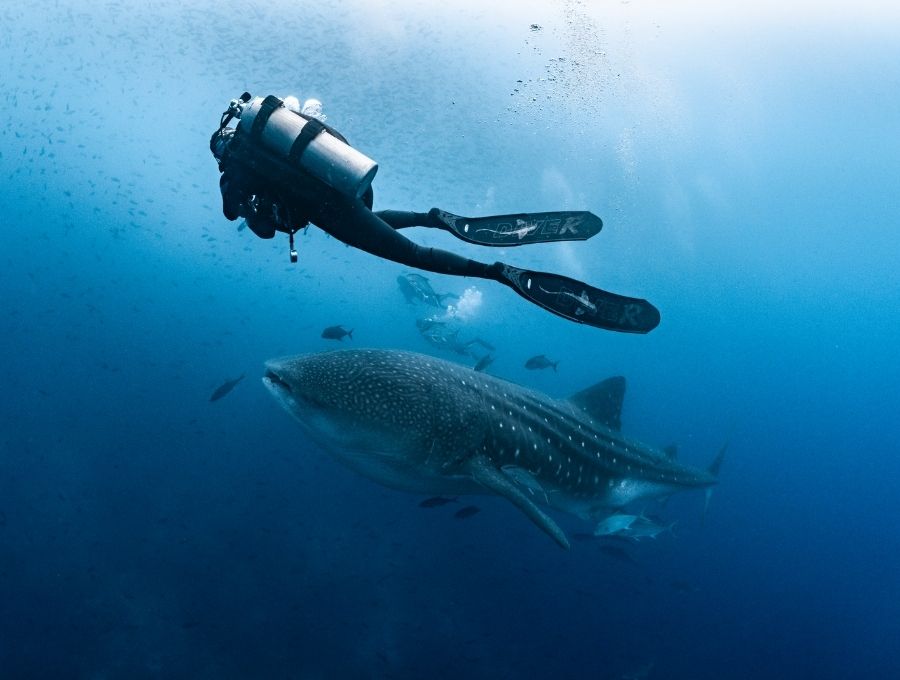
Embark on a thrilling 10-night adventure aboard the Galapagos Sky, exploring the northern Galapagos Islands’ most iconic dive sites. This itinerary includes 29 exhilarating dives, with 5 full days dedicated to the legendary Darwin and Wolf Islands—must-dive spots famous for their massive schools of hammerhead sharks, whale sharks, manta rays, and vibrant marine life. Along the way, encounter dolphins, frogfish, seahorses, scorpionfish, octopuses, and large schools of barracuda, with sea lions often accompanying divers during safety stops.
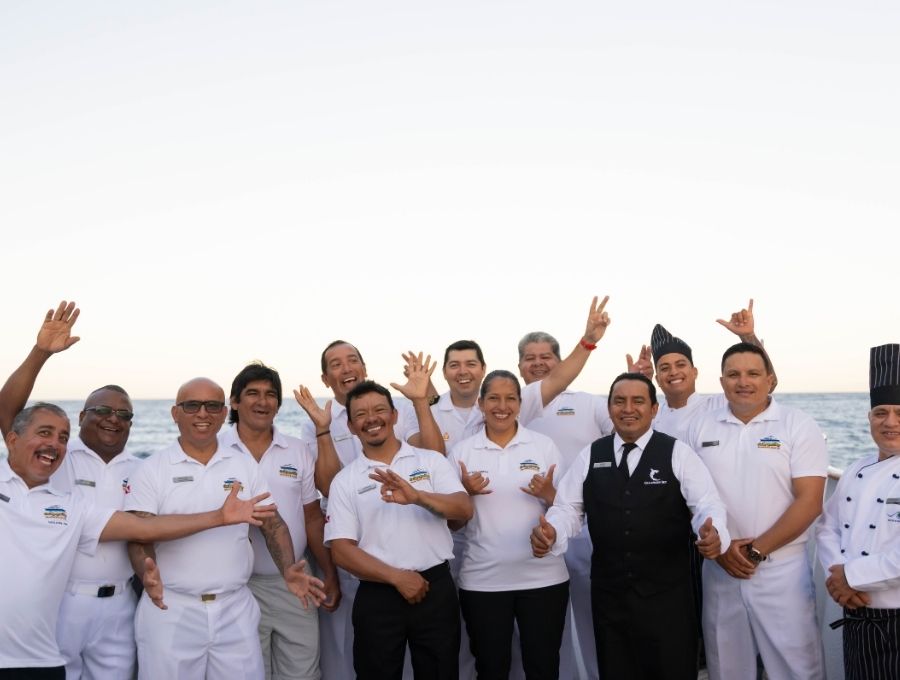
In addition to the legendary Darwin and Wolf Islands, dive into Cape Douglas’ marine iguana haven and search for the elusive Mola Mola at Punta Vicente Roca on Isabela Island. Experience the stunning birdlife of North Seymour Island, home to blue-footed boobies and magnificent frigatebirds. Other highlights include Cape Marshall’s manta rays, hammerhead sharks, and whitetip sharks, along with the chance to spot tiger sharks, marlin, and killer whales. With nutrient-rich waters attracting Indo-Pacific species and night dives revealing rare creatures like the Red Lipped Batfish, this journey is made even more unforgettable by the expertise of the Ecuadorian crew with over 20 years of experience.
For divers arriving on the day of departure, you will be greeted at the airport and escorted to the Galapagos Sky by our crew. For guests already on San Cristóbal or Santa Cruz, specific instructions for meeting the crew will be included with your voucher and pre-departure information.
Upon boarding, dive bags will be delivered to the dive deck, and personal luggage will be taken to your cabins. You will receive a welcome briefing that includes an overview of the onboard facilities, Galapagos National Park regulations, and a personal interview with the dive masters. Following this, we will conduct a mandatory safety drill. After lunch, we will set sail for Isla Lobos if arriving via San Cristóbal, or Mosquera if arriving via Baltra, for your check-out dive.
Start your day with a full breakfast, followed by a land visit to North Seymour. After lunch, enjoy some relaxation time and dive briefings before heading out for Dive 2 and Dive 3 at Cousins Rock.
AM North Seymour / PM Cousins Rock
North Seymour Island, renowned for its iconic blue-footed boobies and magnificent frigate birds. Visitors frequently witness the blue-footed booby’s elaborate courtship dance, where males showcase their bright blue feet to attract mates. The island is also a prime spot for observing the magnificent frigate bird’s striking red throat pouch during courtship displays. Additionally, you’ll encounter vibrant land iguanas and playful sea lions, making it a truly memorable wildlife experience.
Cousin Rocks is a top dive site featuring a stunning wall, black corals, and abundant marine life. Expect to see frogfish, seahorses, scorpionfish, octopuses, and large schools of barracuda. Sea lions often accompany divers during safety stops. The site offers minimal current.
Wolf and Darwin Islands are renowned as some of the best dive sites in the world.
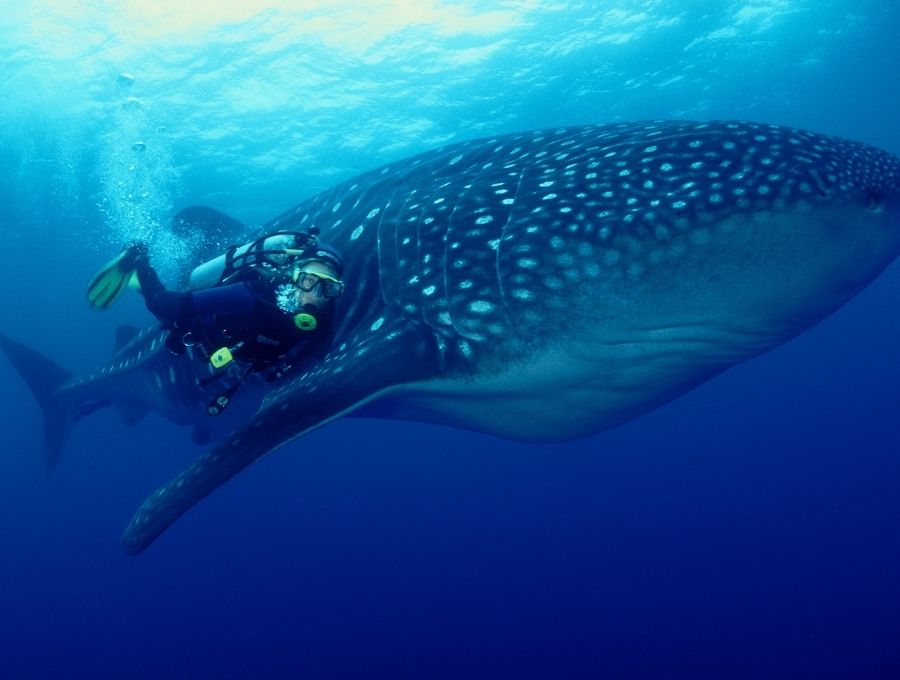
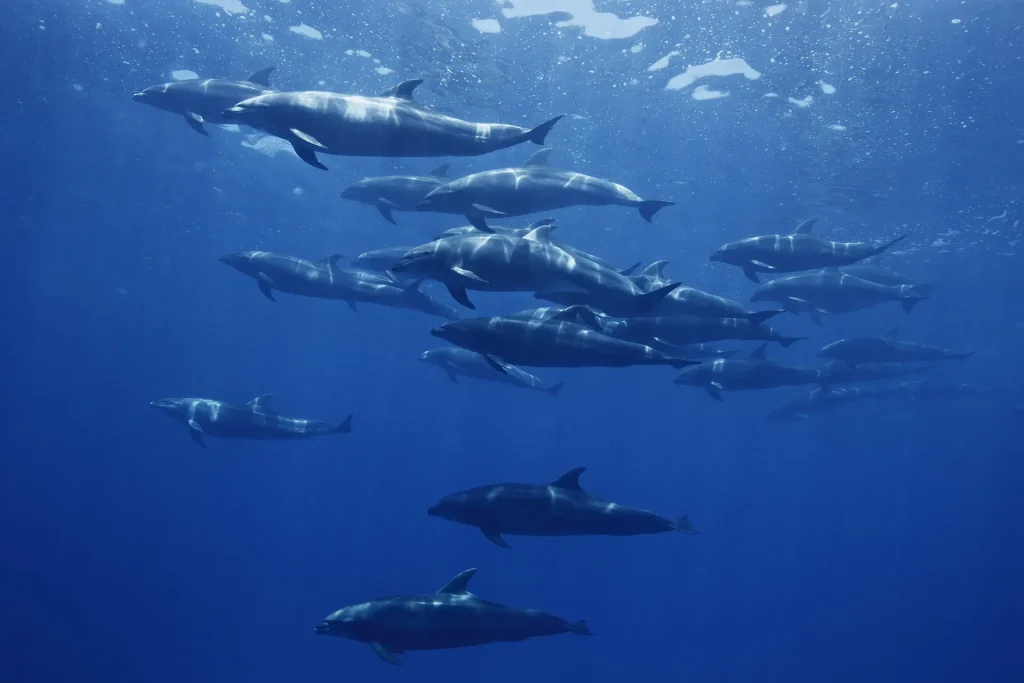
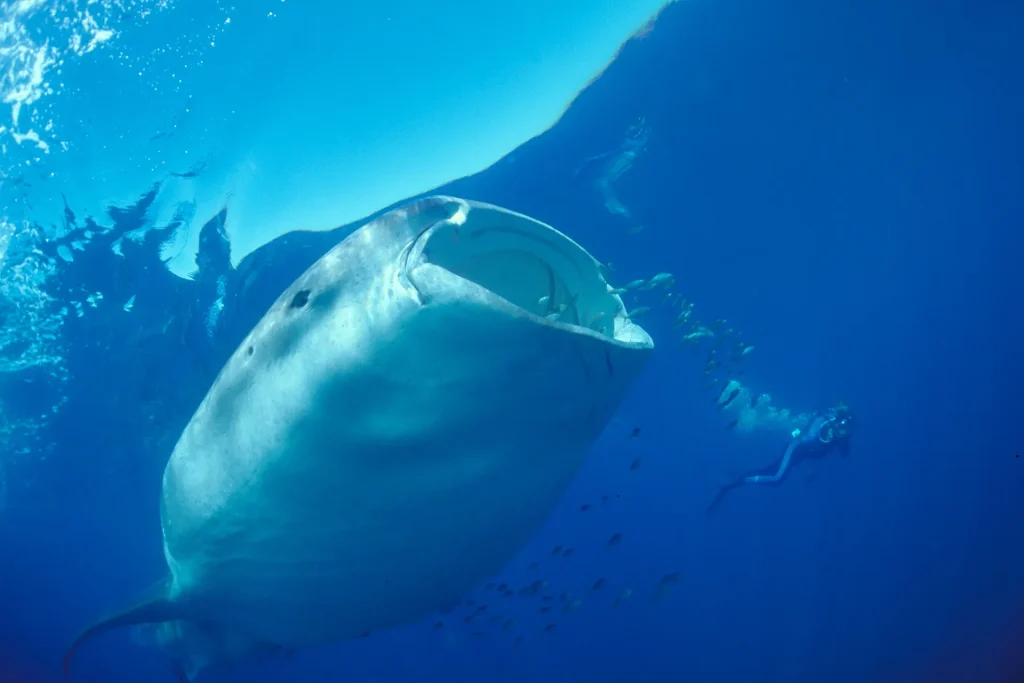
Darwin Island, particularly The Pillars (former Arch), offers unparalleled diving with schooling hammerhead sharks, Galapagos sharks, and large pods of dolphins. From June to November, whale sharks are frequently spotted.
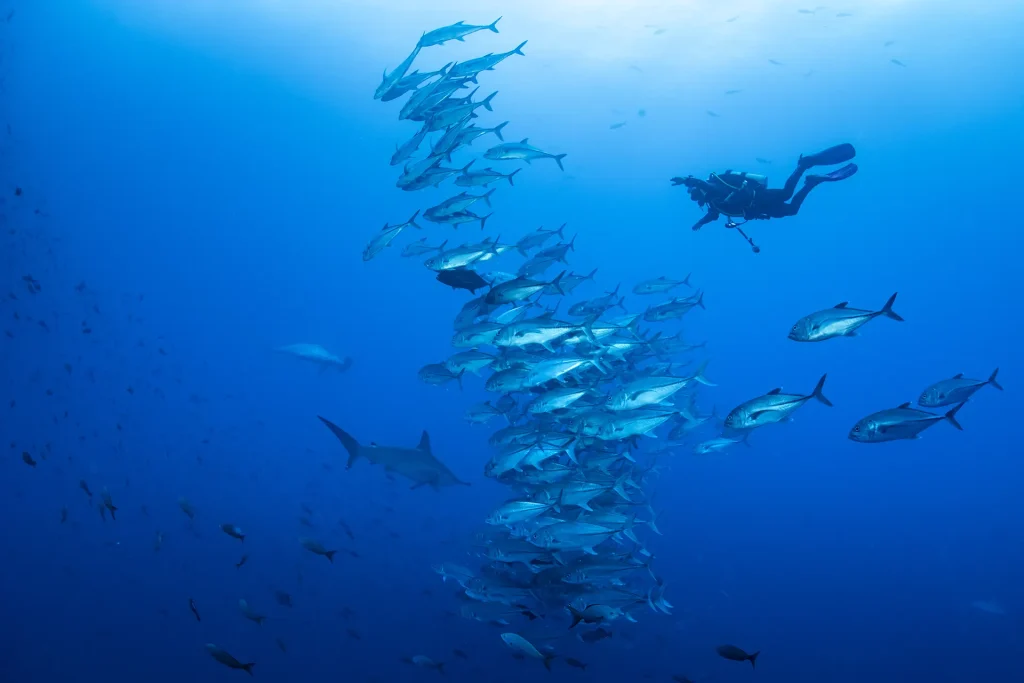
The site also features thick schools of skipjack and yellowfin tuna, bigeye jacks, mobula rays, and occasional tiger sharks, marlin, and killer whales. Warm water temperatures and a variety of tropical fish enhance the experience.
Wolf Island, another top dive location, is known for its abundant shark sightings, including schooling hammerheads and aggregations of Galapagos sharks. Whale sharks are occasionally seen, along with dolphins, large schools of tuna, spotted eagle rays, and sea turtles. These waters attract Indo-Pacific species, and night dives reveal unique creatures like the Red Lipped batfish. The steep, vertical cliffs of these islands mean no shore excursions are possible, reinforcing their exclusivity and remote allure.
AM Fernandina Island / PM Isabela Island
Cape Douglas on Fernandina Island offers a unique and thrilling diving experience, renowned for its remarkable marine iguana encounters. This dive site features a rugged underwater landscape with volcanic formations and a rich marine ecosystem.
Punta Vicente Roca on Isabela Island, our coldest yet rapidly growing favorite dive site features a steep, deep vertical wall adorned with soft corals, sponges, and endemic black corals. Divers will find a fascinating array of macro invertebrates, including Spanish lobster, shrimp, and nudibranchs, as well as bullhead sharks and red-lipped batfish. Mola Mola (oceanic sunfish) are the primary megafauna sightings. The wall also boasts a vibrant display of anemones and other macro invertebrates.
After your dive, the panga ride offers excellent photo opportunities with penguins, flightless cormorants, marine iguanas, sea lions and blue footed boobies.
Cape Marshall
Located northeast of Isabela Island, Cape Marshall features volcanic seabeds and is a wonderful place for scuba lovers. It has moderate currents, with average depths of 60 feet and visibility often exceeding 40 feet. This site is perfect for spotting giant manta rays, hammerhead sharks, whitetip sharks, and schools of rays, barracudas, sea turtles, sea lions, tuna, and other pelagic fish, as well as remnants of black coral with seahorses, salemas, and many more schools of fish.
Roca Blanca
Located in the southeastern part of Isabela Island, Roca Blanca is a little-visited and pristine site. Here, you can encounter giant manta rays, sea lions, various types of fish and rays, whitetip and hammerhead sharks, sea turtles, and a stunning topography featuring a wall rich in life and black coral.
Start your day with a full breakfast, followed by a dive at Pinzon Island. After lunch and relaxation, you’ll take a land visit to the Highlands of Santa Cruz, where you’ll encounter Giant Tortoises. Enjoy some free time in town before heading back to the Galapagos Sky.
Divers can expect to see various shark species, sea lions, mantas, and eagle rays at Pinzon. The site is also home to moray eels and a vibrant mix of tropical fish, including yellow-tailed surgeonfish, king angelfish, Moorish idols, steel pompano, snappers, grunts, creole fish, and barracuda.
Start your day with a full breakfast, followed by a dive at Pinzon Island. After lunch and relaxation, you’ll take a land visit to the Highlands of Santa Cruz, where you’ll encounter Giant Tortoises. Enjoy some free time in town before heading back to the Galapagos Sky.
Divers can expect to see various shark species, sea lions, mantas, and eagle rays at Pinzon. The site is also home to moray eels and a vibrant mix of tropical fish, including yellow-tailed surgeonfish, king angelfish, Moorish idols, steel pompano, snappers, grunts, creole fish, and barracuda.
Cruise Rates Include
- Cabin accommodation
- All meals & snacks
- All beverages including an open bar policy (beer, wine, spirits and liquors)
- One 80 cu ft/12 liter tank, weights, weight belt
- Up to 4 dives per day on 8.5 days for 10-night cruises
- 3 land excursions
- Service of Dive Guides
- Transfers in the Islands between the airport and dock (on cruise departure dates only)
- For new bookings made starting March 2025, for travel from 2026 onward, nitrox will be included. This does not apply retroactively
- All other Galapagos Sky services and amenities
Cruise Rates Do Not Include
- Trip Interruption or Cancellation Insurance
- Dive Accident Insurance (DAN or DiveAssure)
- International Airfare to Ecuador (Quito UIO or Guayaquil GYE)
- Domestic Airfare to the Galapagos Islands (Quito UIO or Guayaquil GYE to San Cristóbal SCY)
- Galapagos National Park entrance fee $200 USD
- Transit card (TCT) $20 USD
- Hyperbaric chamber fee $35 USD
- Rental Gear
- Gratuities to guides and crew
FAQs
Diving in the Galapagos is truly dynamic year round. Most divers plan their best-time-to-go around the water temperatures in the Galapagos.
Water Temperatures fluctuate through the year. Water temperatures are typically warmer in the northern islands at Wolf and Darwin and cooler in the western, southern, and central islands of Galapagos.
December-May: Wet season. Manta season. The water is warmer, clearer 65-80°F,18-27°C.
June-November: Dry season. Whale shark season. The water is cooler, 60-77°F,15-25°C.
Please note that diving in the Galapagos is advanced due to strong currents, varying visibility and cold water. Temperatures range from low 60’s to upper 70’s in different areas of the itinerary and seasons. Depths can be 20-30 meters or 65-100 feet. Divers must be comfortable in these conditions, as well as have very good buoyancy and be able to do negative (sometimes rapid) back-roll entries/descents from small boats.
Recommended requirements include 50-100 open water dives, experience in currents, ability to remove gear in water and ability to get into small boats in choppy seas. Nitrox certification prior to the cruise is highly recommended. Recent dive experience required. PADI and DAN both recommend a refresher course for divers who have been out of the water for 6 months or longer.
Our knowledgeable and experienced Sales Staff is happy to answer any questions you may have about your dive experience and training. Please contact us at info@galapagossky.com
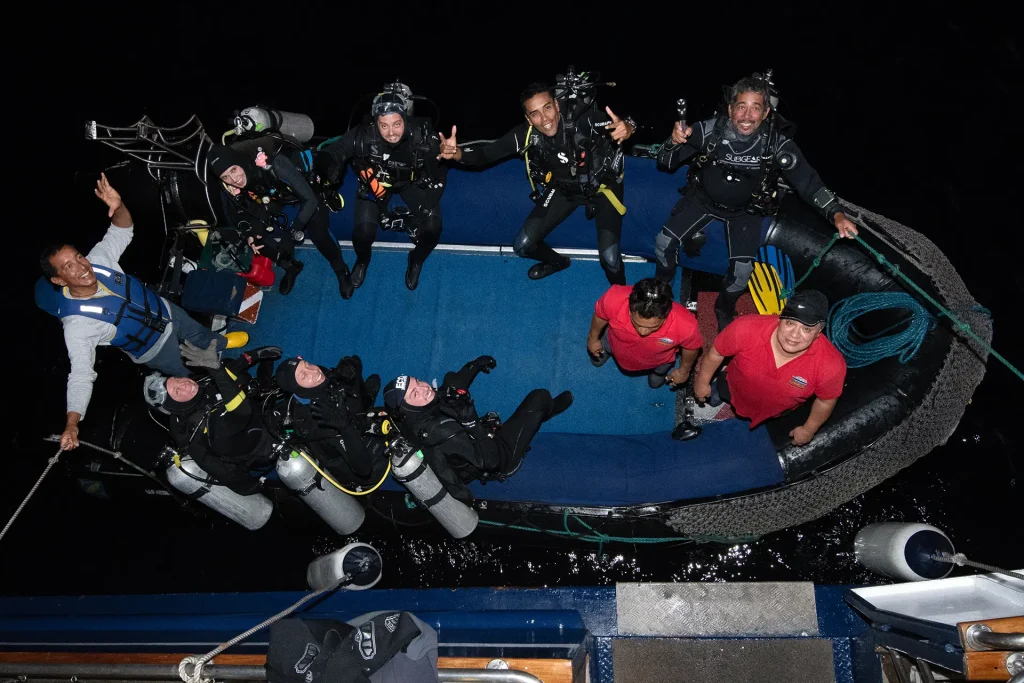
Night dives are optional and conducted weather and conditions permitting when Galapagos Sky is overnight at Wolf island. Divers must be experienced at night diving, carry a primary and a backup light/torch (as recommended by all Certification Agencies) and also have a tank light. Underwater lights/torches are not available for rent or loan.
18 dives on a 7-night cruise. 29 dives on a 10-night cruise.
On the 7-night cruise, we spend 3 full days at Wolf & Darwin, on the 10-night cruise we spend 5 days at Wolf & Darwin. On the 10-night cruises we also have an additional day that allows us to dive at Cabo Marshall / Roca Blanca which is not on the 7-night itinerary. All 7-night cruises embark and disembark from San Cristobal SCY. All 10-night cruises embark and disembark from different islands. Example: Embark San Cristobal SCY and disembark on Santa Cruz/Baltra GPS or Embark Santa Cruz/Baltra GPS and disembark San Cristobal SCY.
